
What causes surges
Voltage surges come from outside the home — utility switching, faults on the distribution system, and storm damage to lines — and from inside, when motors and other equipment cycle. Lightning is relatively infrequent in Anchorage compared with much of the Lower 48, so for local homes the more relevant sources are utility events and internal switching. Wind-driven outages and restorations, which Anchorage sees most winters, are one moment when equipment is exposed to disturbances.
Types of surge protective devices
| Type | Where it installs | Typical use |
|---|---|---|
| Type 1 | Line side of the service equipment (can be ahead of the main) | Often installed with new services |
| Type 2 | Load side of the main, at or near the panel | Most common retrofit for existing panels |
| Type 3 | Point of use (plug-in strips) | Supplements, not replaces, a panel SPD |
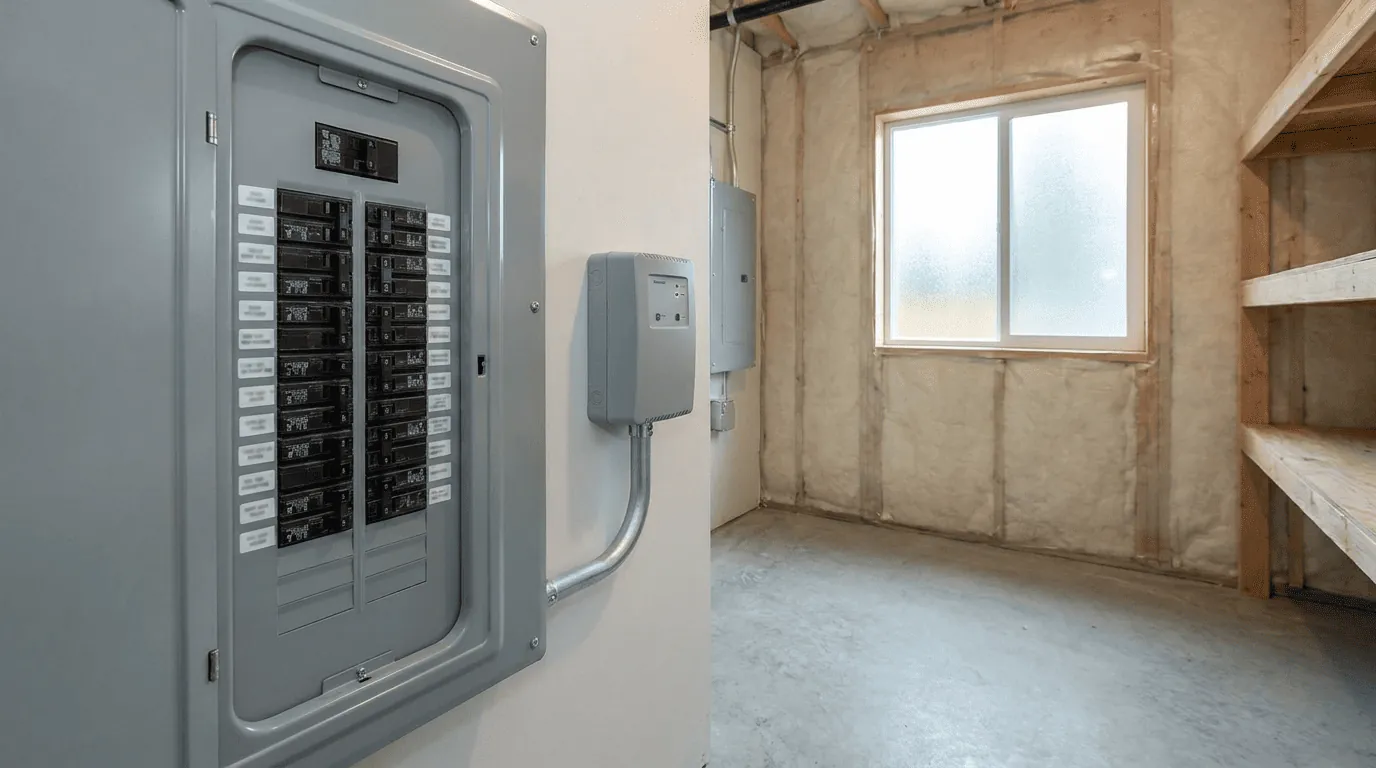
A panel SPD and point-of-use protectors work together: the panel device handles larger surges entering the home, while plug-in protectors near sensitive electronics handle residual and internally generated spikes.
What the code requires
Starting with the 2020 edition, the National Electrical Code requires surge protection for services supplying dwelling units, and the 2023 edition carries that forward — including when an existing service is replaced. The SPD must be Type 1 or Type 2 and be part of, or immediately adjacent to, the service equipment.
Anchorage adopts the NEC with local amendments, and we did not find an Anchorage amendment removing this requirement in our research — but confirm with your electrician or Development Services. Adding an SPD to an existing panel when no other work is happening is generally a homeowner choice rather than a requirement.
Choosing a device
- It should be listed (for example to UL 1449) and compatible with your panel.
- Look at the nominal discharge current rating and voltage protection rating; your electrician can explain what is appropriate for a residence.
- Many devices have indicator lights showing whether protection is still active — check them periodically, especially after major outages.
- Short, straight connecting leads improve performance, which is one reason placement next to the panel matters.
What surge protection does not do
An SPD does not provide backup power, does not stop outages, and is not a substitute for proper grounding and bonding. It reduces risk; it does not guarantee that equipment will never be damaged. Be cautious with marketing that promises otherwise.
Questions to ask
- Is the SPD listed and compatible with my panel?
- Type 1 or Type 2 — and why for my installation?
- Is my grounding and bonding in good condition?
- Does the manufacturer offer a connected-equipment warranty, and what are its conditions?
- Does this installation need a permit?
Frequently asked questions
How much does a whole-house surge protector cost to install?
Panel-mounted surge protective devices are among the less expensive electrical upgrades, especially when installed during other service or panel work. Cost depends on the device type (Type 1 or Type 2), its ratings, whether your panel has a suitable breaker space or the device mounts beside it, and whether a permit is required for the installation.
If you are planning a panel upgrade, ask for the SPD to be included in the same quote.
Do I need a whole-home surge protector if I already use power strips?
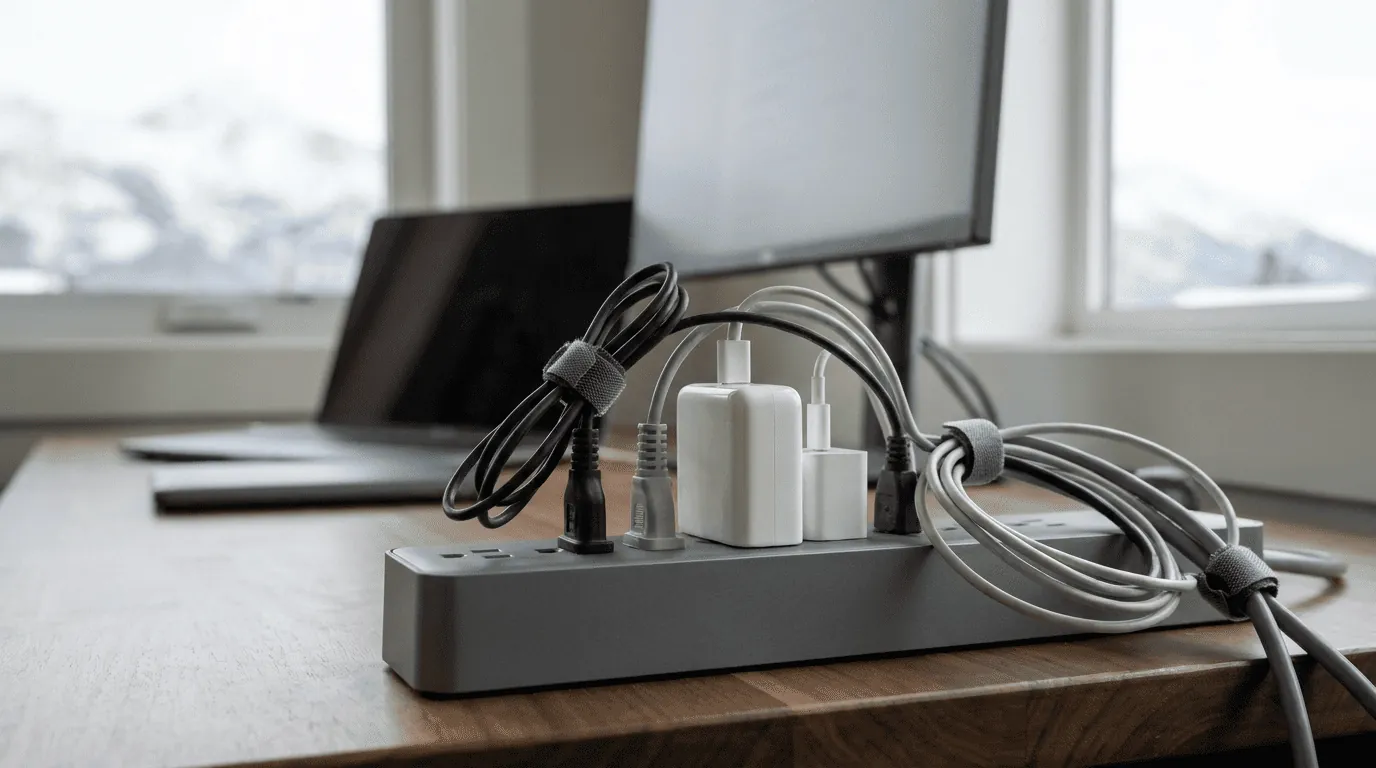
Plug-in surge strips only protect what is plugged into them. Furnaces, boilers, ranges, washers, garage-door openers, heat-pump controls and EV chargers are hardwired or on dedicated outlets and are protected only by a panel-level device. A panel SPD limits larger surges entering the home; point-of-use protectors near computers and TVs handle residual and internally generated spikes. The two work best together.
Is surge protection required by code in Anchorage?
The 2020 and 2023 editions of the National Electrical Code require a Type 1 or Type 2 surge protective device for services supplying dwelling units, including when an existing service is replaced. Anchorage adopted the 2023 NEC with local amendments in 2026; our research did not find an Anchorage amendment removing this requirement, but confirm with your electrician or Development Services.
Adding an SPD to an existing panel when no service work is happening is generally a homeowner choice rather than a code requirement.
How long does a surge protector last?
Surge protective devices absorb energy each time they clamp a surge, and their protective components can wear out after a large event or many smaller ones. Many panel SPDs have indicator lights or a status window that shows whether protection is still active. Check it periodically and after major outages or storm damage, and replace the device when the manufacturer’s indicator says protection is lost.